Discover Rum: You might know all about different sugar types and distilleries, but the origins of some popular rum styles and phrases might surprise you. Discover more below!


Spiced Rum
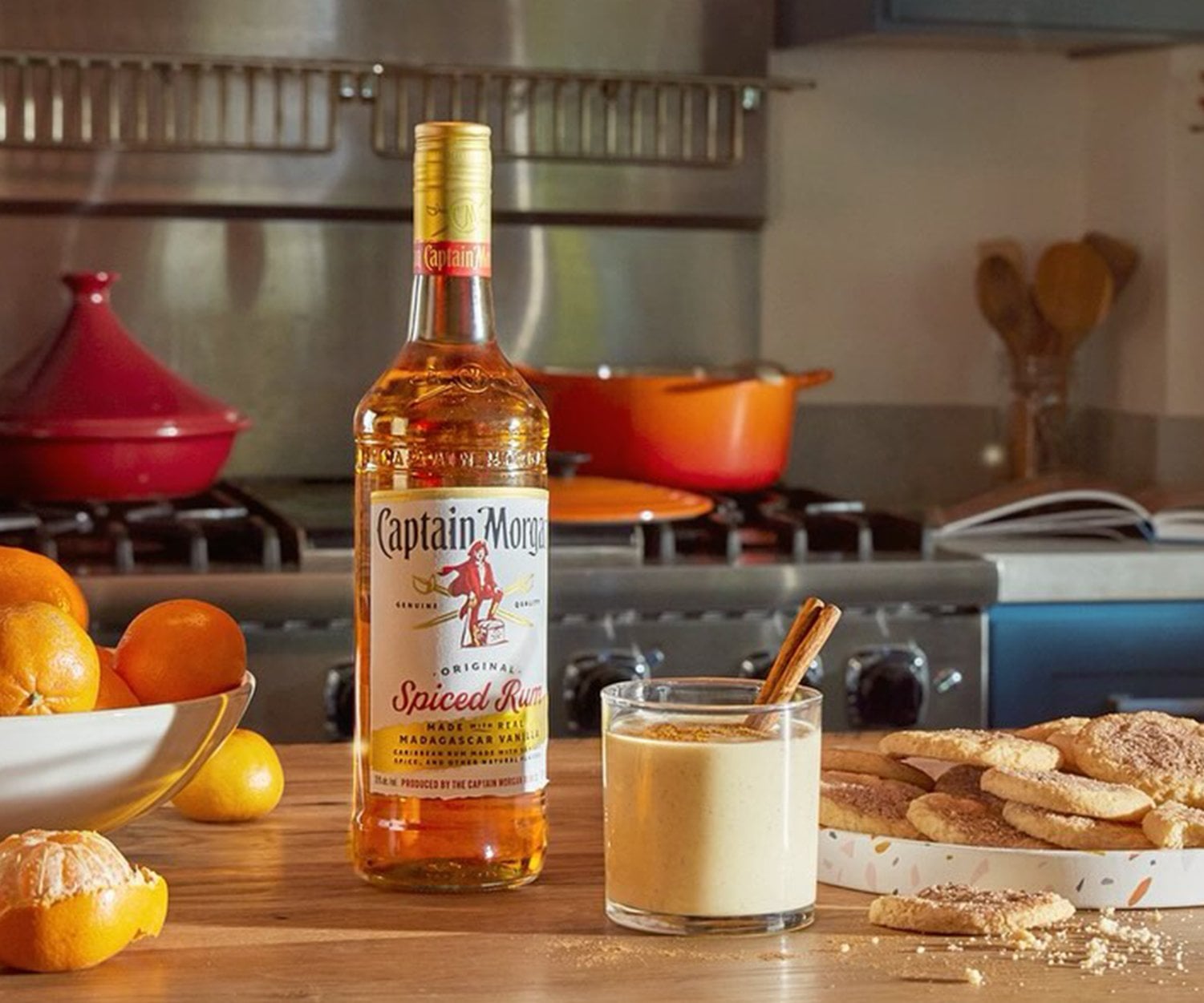
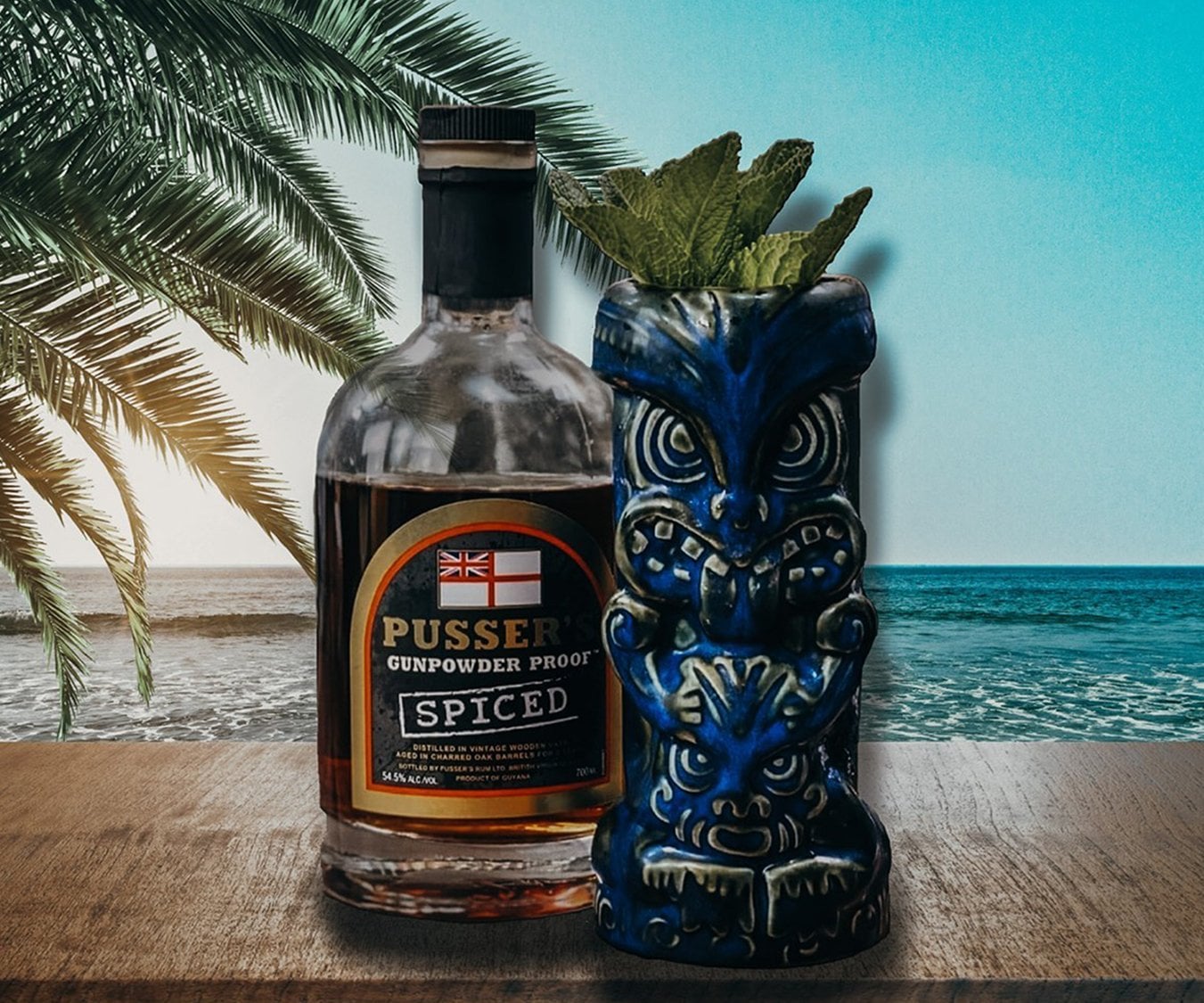
No matter whether you love it or hate it, you can't deny that spiced rum is here to stay. The concept comes from a centuries-old practice of adding spices to rum to mask the taste of roughly-distilled spirits, but only hit the big time when Captain Morgan launched a spiced rum in America in 1984. At that point this sweet and spicy spirit - made by a Canadian company - captured the public's imagination and paved the way for hundreds more spiced rums. These vary wildly, ranging from historic rum distilleries using their local fruits and spices to new brands with bold takes on specific flavours.
Cuba Libre
A Cuba Libre is a world-famous cocktail made from rum, cola and a squeeze of lime juice, but its origins are slightly more obscure. It of course comes from Cuba - the name itself translates as ‘free Cuba’ - but there’s no convenient time and date that it burst into being. Following the Spanish-American war, which resulted in Cuba being freed from Spanish control in 1898, the Americans shipped in Coca-Cola along with regime change. While the exact year is problematic, the rum used to create the cocktail would have definitely been Cuban - a certain Bacardi family had a flourishing business at the time.
Black Tot
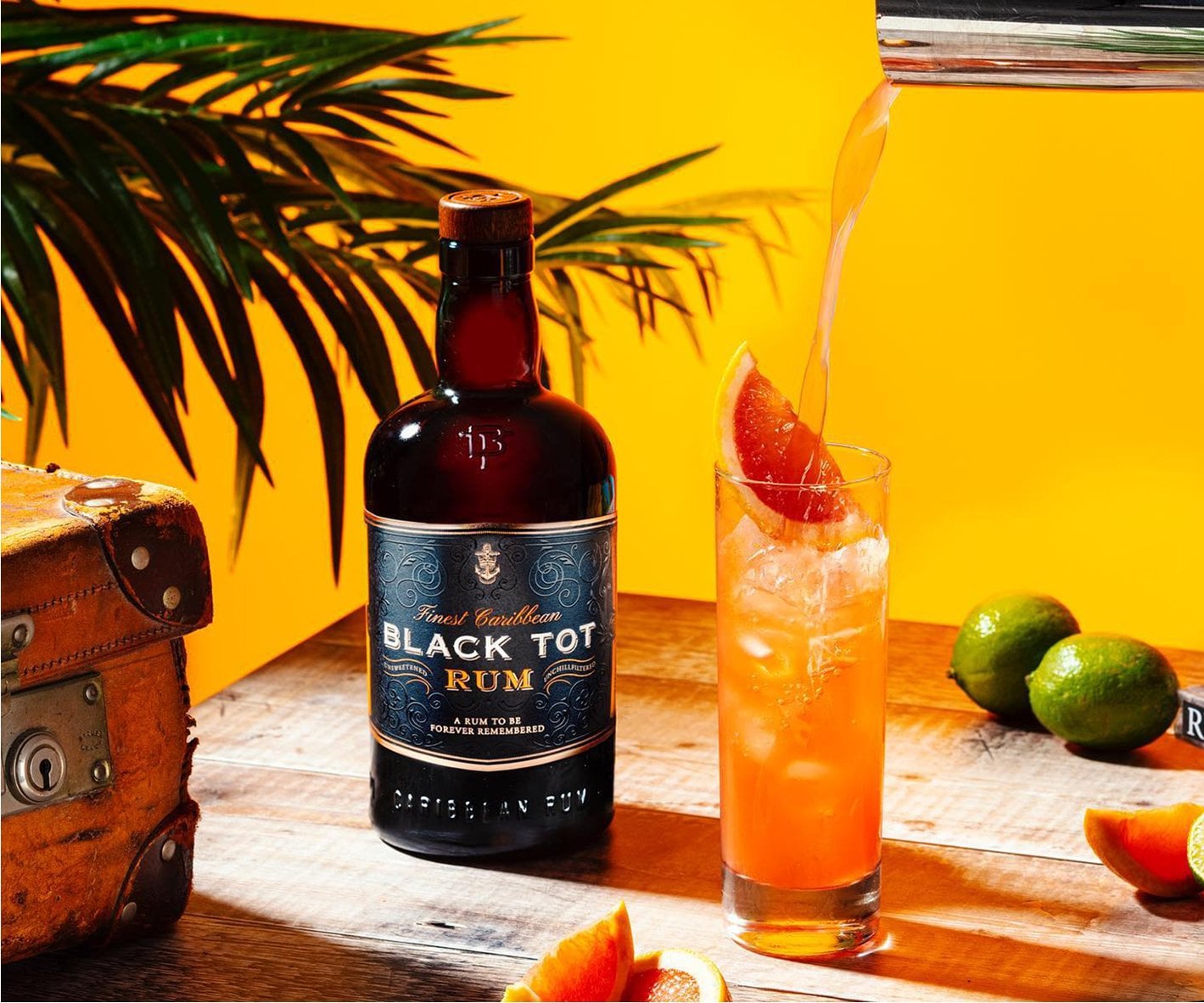
A ‘tot’ is a traditional term for a small measure of spirits, and it had a special meaning for the Royal Navy: every day at 11am a tot of rum would be issued to sailors. This rum ration helped improve morale and fight disease, and was a fixture of Navy life from the 1650s right up until 1970, when it was decided that alcohol was incompatible with the high-tech systems sailors now had to operate. The last ever rum ration was served on 31 July 1970, with many sailors wearing black armbands to commemorate the sad occasion. ‘Black Tot Day’ has been commemorated on the anniversary of this date ever since, not to mention been the inspiration for some delicious rums.
Overproof
Overproof rum is another instance of the Royal Navy’s enduring influence on the rum terminology we use today. As seen from the ABV on any bottle labelled ‘Overproof’, this term denotes high strength rum. The term proof comes from the naval practice of mixing a spirit with gunpowder, then setting it on fire - if the gunpowder caught light it passed ‘proof’ & the spirit was deemed strong enough. The last thing the Navy wanted was to be sold watered-down rum! As science developed it was determined that gunpowder ignites if soaked in a spirit that’s at least 57.1% ABV, so this became the standard measure of proof in the UK.
Coconut Rum
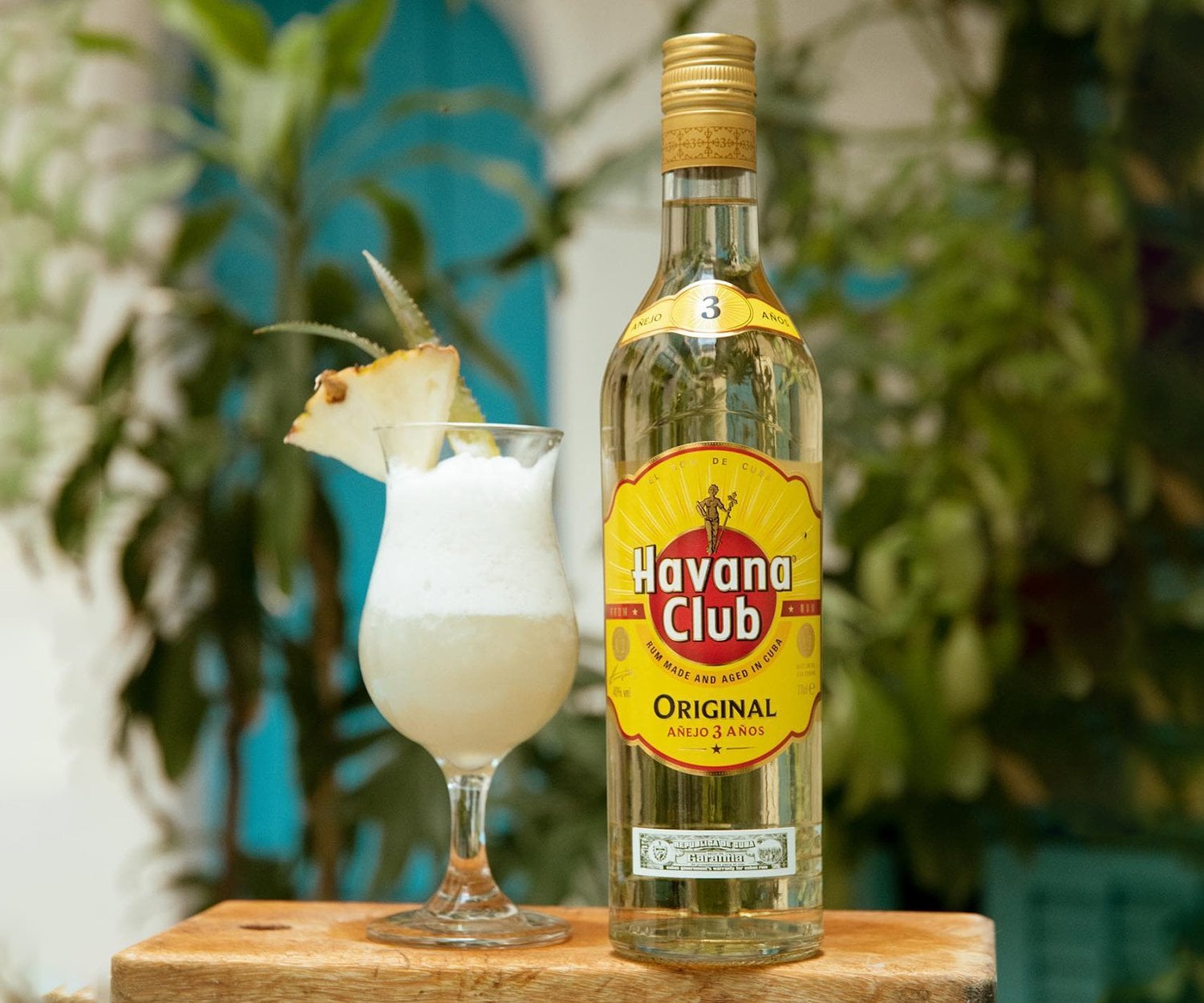
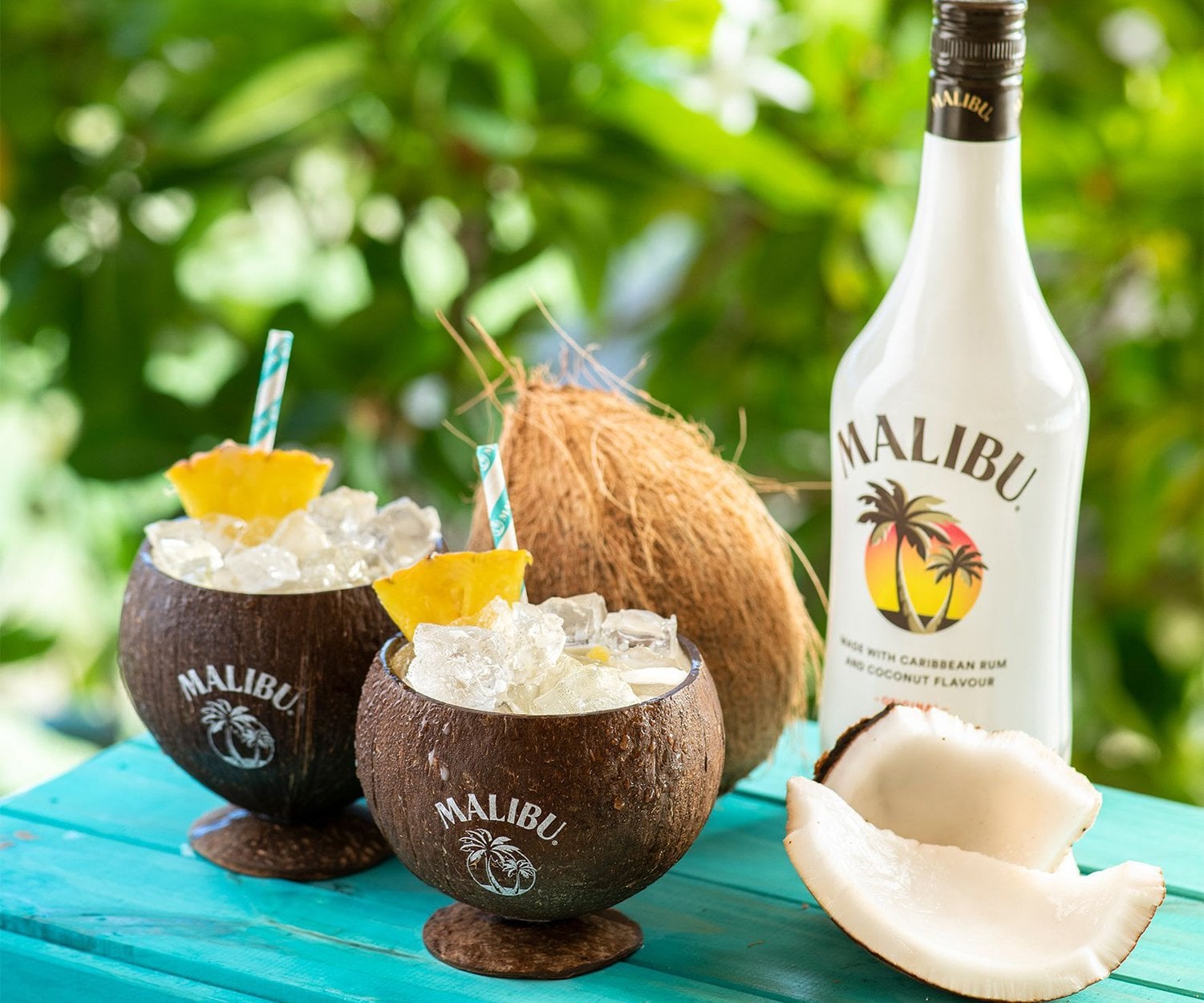
Rum is produced in some of the most stunning parts of the world and, as visitors to many Caribbean islands can attest, it’s not uncommon to be able to visit a distillery in the morning and be lounging on a beach underneath palm trees by the afternoon. As such, it’s easy to imagine that coconut rum is a traditional spirit, but it’s actually a much more modern invention. The concept of coconut rum was invented in 1978 in England by an executive at a large international drinks company, who was looking for a way to make it easier for people to mix Pina Coladas at home. The resulting drink, Coco Rico, went on to become one of the world’s most famous brands: Malibu.